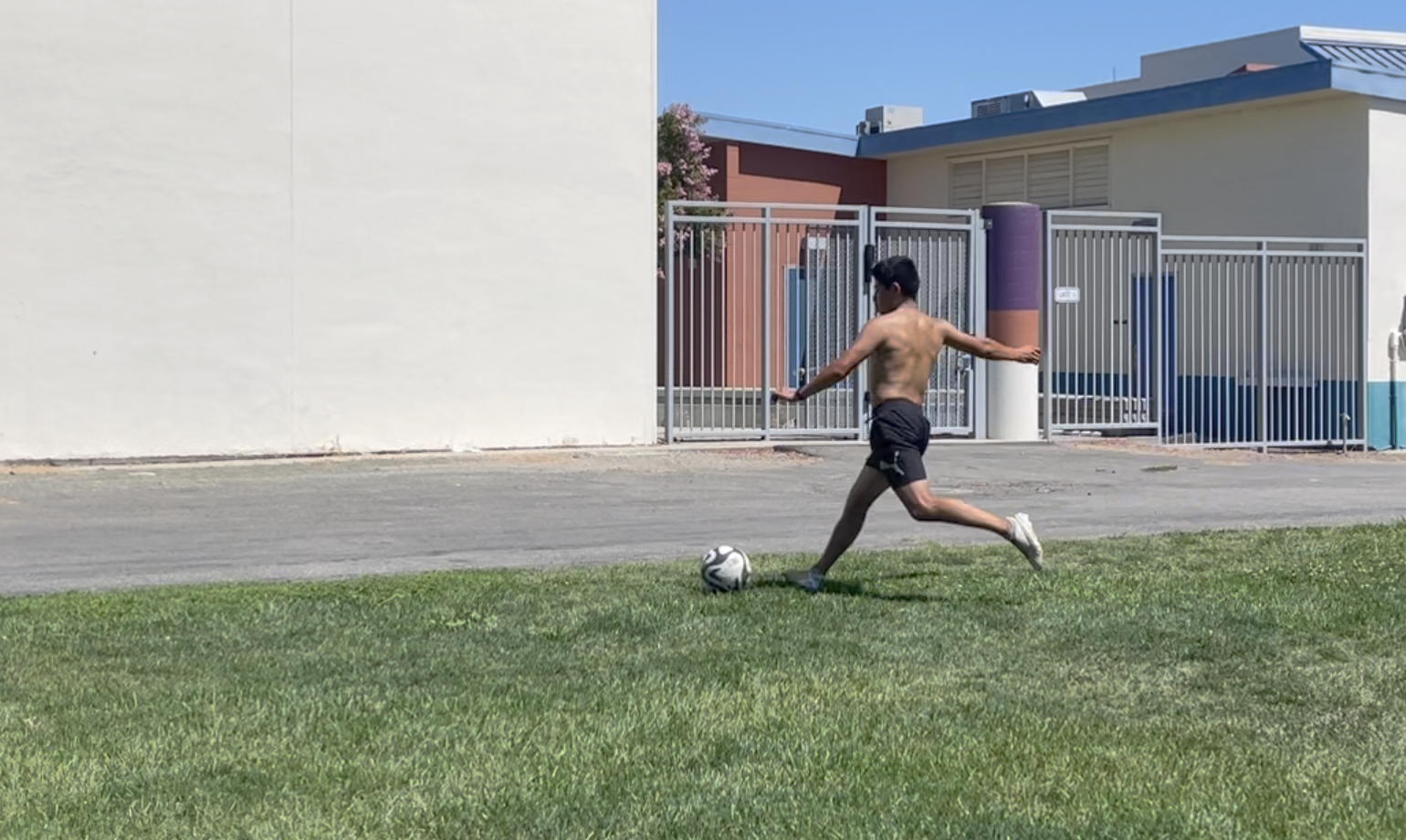
9 Different Types of Soccer Passes: A Full Guide

Understanding the different types of passes in soccer is one of the most important things you can do to become a more complete and effective player, because knowing when and how to use each type of pass is what separates players who just move the ball from players who use passing as a weapon to create opportunities, break defensive lines, and control the tempo of the game.
No matter what position you play or what level you are at, developing a wide range of passing techniques will make you a smarter, more versatile, and harder to defend player on the field. In this post, I’ll go over the most important types of soccer passes so you can start understanding when and why to use each one and apply them more effectively in real game situations.
IIf you’re interested in taking your training to the next level with a structured program, you can reach out to me or learn more here.

What are the different types of passes in soccer?
The different types of passes in soccer each serve a specific purpose depending on the situation, the distance, and the movement of players around you, and developing a strong understanding of all of them alongside your other fundamental technical skills like ball control, first touch, dribbling, shooting, awareness, and decision making is what allows you to become a more complete and effective player over time.
The Inside of the Foot Pass
The inside of the foot pass is the most commonly used passing technique at every level of the game, because the wide surface area of the inside of the foot gives you the most control, accuracy, and consistency of any passing surface. It is the go-to option for short passes, quick combinations, and maintaining possession in tight spaces, and mastering this pass with both feet is the foundation of becoming a reliable and effective passer.
The Outside of the Foot Pass
The outside of the foot pass, sometimes called a trivela, is a more advanced technique that uses the outer three toes of the foot to strike the ball, and while it may feel awkward at first, it becomes a powerful and deceptive weapon once you develop the coordination and confidence to execute it consistently. Unlike the inside of the foot pass, for the outside of the foot pass the planting foot should be facing slightly away from the ball and use the top part of the outer foot to strike the edge of the ball.
The Lofted Pass
A lofted pass is a long aerial ball played with height and distance, and it is used when you need to switch play quickly, find a teammate making a run in behind the defense, or simply move the ball over a large area of the field without it being intercepted along the ground. Unlike the chip pass which is shorter and more delicate, the lofted pass covers more ground and requires a clean strike through the lower half of the ball using the top instep, with a run up leaning away from the ball, and enough follow through to generate the height and distance needed to reach the target.
The Curve Ball
A curve ball, also known as a bending pass, is used to curl the ball around defenders or into spaces that a straight pass cannot reach, and it is one of the most visually impressive and effective techniques in soccer when executed correctly. To curve the ball, strike the inside or outside edge of the ball with the inside or outside of your foot respectively, and follow through across the ball rather than straight through it, which creates the spin needed to bend the ball in the direction you want it to go.
The Chip Pass
The chip pass is used to lift the ball over a defender or a line of players and deliver it into space behind them, making it one of the most effective tools for breaking defensive lines and creating goal scoring opportunities in a single action. It requires a delicate and precise touch to get the weight and arc right, but when executed well it is one of the hardest passes to defend against because it bypasses pressure entirely.
The No-Look Pass
The no-look pass is one of the most deceptive techniques in soccer, because it involves looking in one direction while passing in another, leaving defenders flat-footed and completely unable to react in time to intercept the ball. It requires strong awareness, a deep understanding of your teammates’ movements, and the confidence to commit to a disguised action under pressure, but when executed at the right moment it can unlock a defense and create chances that no conventional pass could.
The Driven Pass
The driven pass is used when you need to move the ball quickly over a long distance with pace and precision, whether that is to switch play to the other side of the field or to find a teammate making a run in behind the defense. It requires a clean and powerful strike through the center of the ball using the instep or laces, and developing a reliable driven pass with both feet will make you a much more dangerous and versatile player in any position on the field.
The Back Heel Pass
The back heel pass is a creative and deceptive technique that uses the back of the heel to flick the ball to a teammate, and it is particularly effective in tight spaces where a conventional pass would be too predictable or too slow to execute. It requires strong awareness of your surroundings and precise timing, but when used correctly it can surprise defenders and maintain possession in situations where the play looked like it had nowhere to go.
The Dummy Pass
The dummy pass is a deceptive move where a player intentionally lets the ball run past them rather than controlling it, allowing it to reach a teammate behind them and catching the defense completely off guard. It requires strong communication with teammates, excellent game IQ, and the confidence to make a subtle and unconventional decision in a high-pressure moment, but when executed correctly it can be just as effective as any other pass on this list.
Final Thoughts
Mastering the different types of passes in soccer comes down to understanding when and why to use each one, because having a wide range of passing techniques available to you makes you a much more unpredictable, creative, and effective player in any situation on the field. Start by building a strong foundation with the inside of the foot pass, then gradually add more techniques to your game through consistent individual training and competitive game experience.
The more comfortable you become with different passing options, the more naturally your decision making and game IQ will develop, because knowing what pass to use and when to use it is ultimately what separates good passers from great ones.
Frequently Asked Questions
What is the best way to stay consistent with mindset training in soccer?
The best way to stay consistent with mindset training in soccer is to use simple habits like journaling, visualization, and positive self-talk regularly. Players can also use tools such as a soccer training journal, a performance tracker, a mental training book, and other mental training tools to help structure, make more consistent, and make their mindset more measurable.
What gear and equipment do I need to improve my soccer skills?
The best thing about soccer is that you don’t need much equipment or accessories to start playing and improving. All you really need is a soccer ball, but the more serious you want to play, the more gear you will need, such as soccer cleats, shin guards, grip socks, shorts, and shirts, and soccer equipment, such as cones ,rebounders, ball pumps, soccer bags, etc.
How do I improve my soccer skills?
To improve your soccer skills, focus on playing the game and its variations as much as possible while dedicating time to mastering fundamental skills such as ball control, passing, shooting, dribbling, and defending. Combine regular team training with solo soccer drills, small-sided games, and learning from the feedback of coaches, teammates, and professional matches to speed up your progress, and follow this guide to have a more comprehensive plan.
Does understanding passing styles help when watching or predicting matches?
Yes, recognizing a team’s passing tendencies, like whether they rely on quick inside-of-the-foot combinations or long driven balls to switch play, gives you a much better read on how a match will unfold. This kind of insight is also useful if you like to wager on unexpected outcomes, click here to read about odds that can work in your favor and how to take advantage of sportsbooks.